
The Art of Art Product Development: A Comprehensive Guide explores the entire process from product concept to final delivery, emphasizing creativity, communication, and iterative refinement. Starting with defining the vision and core values, the guide guides users through gathering user feedback, designing user-centered features, and iterating based on feedback. It also covers testing, user research, and ensuring seamless integration. The focus is on delivering a seamless, engaging, and impactful user experience.
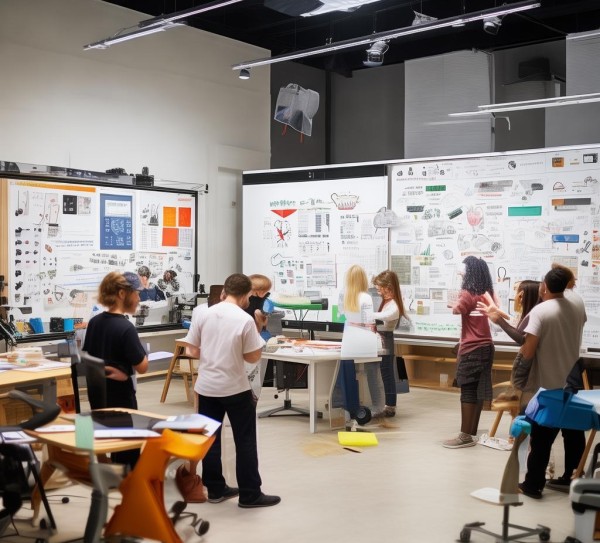
The first step in art product development is to clearly define the problem that needs solving. Whether it's improving productivity, enhancing customer service, or addressing health issues, every problem has the potential to be transformed into a solution. A well-crafted concept must be concise, specific, and aligned with the company's goals. It should capture the essence of the problem without being overly broad, ensuring that it resonates with the intended audience.
Once the problem is identified, conducting a thorough research phase is crucial. This involves understanding the problem deeply, analyzing its underlying causes, and identifying potential solutions. It's not enough to propose a solution; one must delve into the root of the issue and assess how it impacts the business environment and customer needs. This requires a blend of technical expertise, business acumen, and a strong understanding of the industry, ensuring that the solution is both practical and impactful.
By addressing the problem through the conceptual phase, you establish a foundation for the entire development process. This involves collaboration between domain experts, such as product managers and designers, to ensure that the solution is both innovative and aligned with the broader objectives of the company.
The Design Phase: The Physical and Functional Components
The design phase is pivotal in turning a problem into a tangible solution. It begins with the physical design of the product, including its layout, materials, and structural framework. This phase requires creativity and imagination to ensure that the product not only meets the problem's requirements but also aligns with the target audience's needs and preferences.
Following the physical design, the next step is to develop the functional components of the product. This includes the user interface, the backend systems, and the integration of all pieces into a cohesive whole. Collaboration between designers, engineers, and developers is essential here, as it ensures that the solution is both user-friendly and technologically sound. The aim is to create a product that is not only functional but also visually appealing and easy to navigate.
Testing is a critical part of the design phase. It involves evaluating the product's functionality and aesthetics through physical testing and user testing. This helps identify any issues early on and allows for continuous improvement. Understanding the product's market potential is also a key consideration, as it guides the development process and ensures that the solution is scalable and sustainable.
The Development Phase: The Code and Technology
The development phase is where the most complex work is done, and creativity and innovation are tested. This phase is centered around building the codebase, developing the technology stack, and integrating it into the final product. It's a time when the focus shifts from the physical design to the technical aspects of the solution, ensuring that it is both functional and reliable.
While development is about creating the technology, it's not just about writing code. It also involves testing and debugging to ensure that the product works as intended. This process requires a deep understanding of the technology involved, as well as the ability to troubleshoot and fix issues promptly. The goal is to deliver a product that is not only technically sound but also user-friendly and innovative.
Iteration is a key aspect of the development phase. Every time the product is tested, it's a step closer to perfection. This iterative process ensures that the product is continuously improved and adapts to user feedback. It's a dynamic and evolving process that requires constant adaptation to stay competitive in the market.
The Iterative Design: A Process of Learning and Improvement
The iterative design phase is where the product evolves and becomes more refined over time. It's not just about building a solution but also about learning from the process and improving the product continuously. Every iteration is a step closer to perfecting the concept, ensuring that the solution is not only functional but also innovative and forward-thinking.
In addition to the physical design, the development phase also involves the creation of a user interface, the design of the backend systems, and the integration of all the pieces into a cohesive whole. This requires a deep understanding of both the technology and the business, as well as the ability to translate that understanding into a product that truly serves the target audience. It's a process that demands creativity, innovation, and a commitment to excellence.
The Testing and Validation Phase: Ensuring the Product Meets the Mark
The testing and validation phase is crucial in the development process. It's a phase where the product is tested to ensure that it meets the functional and aesthetic requirements of the concept. It's also a time where any issues are identified and fixed before the product is released to the market.
In addition to testing, the product is also validated through user testing, market research, and customer feedback. This helps to ensure that the product is not only functional but also meets the needs and expectations of the target audience. It's a time where the product is continuously improved, and any shortcomings are addressed before it is launched.
While testing is essential, the validation phase is just the beginning. It's part of a broader process that ensures the product's success in the market. By continuously testing and refining the product, companies can create solutions that are not only functional but also innovative and aligned with market trends.
The Market Validation Phase: Understanding the Market and Adjusting the Strategy
The market validation phase is the final step in the development process. It's a phase where the product is tested in the real world, and it's evaluated for its market potential. This involves understanding the market trends, the target audience, and the competitive landscape.
Once the product is validated, it's time to adjust the strategy based on the results. This involves identifying any shortcomings and making changes to the product to improve its performance. It's also a time where the company can refine its product development process, ensuring that it remains on the right track for the long term.
While the product is validated in the real world, the company continues to support and maintain the product through ongoing development and innovation. This ensures that the product remains relevant and effective in the face of changing market conditions. By continuously adapting, companies can create products that are not only functional but also innovative and forward-thinking.
The Implementation Phase: Putting It All Together
The final phase is the implementation phase, where all the pieces come together to form the final product. This is where the product is delivered to the customer, and the company is officially launched. The product is then monitored for performance, and any issues are addressed to ensure that it meets the expectations of the target audience.
Additionally, the company continues to support and maintain the product through ongoing development and innovation. This ensures that the product remains relevant and effective in the face of changing market conditions. By embracing the challenges of art product development, companies can create products that are not only functional but also innovative, and that have a real impact on the world around them.
Conclusion
Art product development is not just about building a product; it's about turning it into a tool that drives business growth and innovation. It requires a combination of technical expertise, business acumen, and a deep understanding of the industry. The process involves a lot of creativity, iteration, and continuous improvement, and it's a field that should be approached with an open and flexible mindset.
As companies continue to embrace the challenges of art product development, they can create products that are not only functional but also innovative, and that have a real impact on the world. By staying ahead of the curve and embracing the changes in the industry, companies can create products that are not just functional but also forward-thinking, and that can make a meaningful difference in the lives of their customers and stakeholders.
 扫一扫微信交流